Want to Build Something Great? Foster Trust
4 Feb, 2013The best teams—the teams that win championships, build empires, and bring home awards—have one simple thing in common… Trust.
The best teams—the teams that win championships, build empires, and bring home awards—have one simple thing in common… Trust.
In a couple weeks I’ll be jetting to Columbus, OH to do a talk at the M3 Conference on prototyping techniques for mobile interface designers. In addition to a quick overview on why prototyping is essential for interaction designers, I’ll also do some hands-on demos of some of my favorite prototyping techniques and tools.
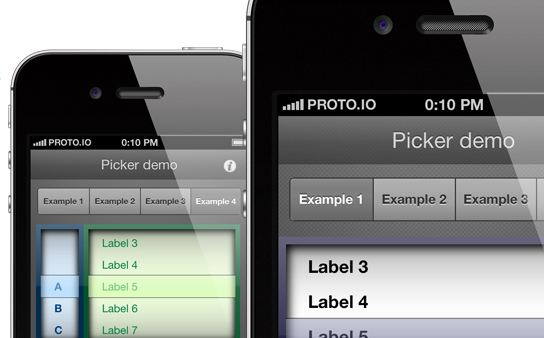
Since I’m a big fan of building prototypes, I wanted to spend some time testing out the latest mobile prototyping tool I’ve come across: Proto.io. I’ve spent about a week using the browser-based tool, and for the most part, I’m very pleased with the results.
The Apple iOS tab bar—that persistent navigation element that runs across the bottom of the majority of iPhone apps—has reached the end of the line.
Sure, you’ll still see it as a legacy interface pattern in many apps, and many iOS designers and developers will insist on including it in their apps. But, no matter how hard they hold on, people need to face the facts that the tab bar is dead.

On January 9, 2007 Steve Jobs unofficially ushered in a new era of personal computing. One day later in an article on CNET, AppForge CEO, Gary Warren, predicted the death of the mobile web browser. Gary was wrong.

In only a few short years mobile web browsing has jumped from virtually nothing to 8.53% of global Internet traffic (that’s more than Internet Explorer 6 and 7 combined, source). Google predicts that in 2012 over one billion people will use a mobile device as their primary Internet access point. That number will only continue to rise.
Pull out your phone, and go to your company’s website. How does it look?
The idea of failing fast is in vogue among the corporate elite aka The C Suite. I love the experimental spirit of this concept, but, like many ideas that get co-opted by MBA marketing genius types, the Fail Fast mantra can be dangerous if you’re not failing fast the right way. Here are a few tips to help make your fast failures more valuable and actionable.